Marketing trends 2026: Emotions, algorithms, brand, understanding people, measurability - and AI, of course

Anniina Pyykönen,
Head of Media & Digital,
Sinebrychoff
AI becomes the customer
Marketing is at a turning point: AI will no longer just support purchase decisions – it will start making them. Algorithms will recommend products, compare prices, and choose brands on our behalf. Brands must convince not only humans but also machines. The purchase journey is no longer linear; it’s an ongoing dialogue between humans and AI. Future marketing will optimise not just visibility but understandability in the eyes of AI logic: how does the brand appear through the lens of data? Those who build trust both emotionally and algorithmically will win in this new era.

Ida Virkki,
Marketing Director,
K-Market & Own Brands
Consumers continue to be driven by price, but investing in brand will win you the race
Although there’s a slight positive shift towards brand marketing, price-driven buying continues. The big challenge for marketers is how to build a brand under a strong pressure to make short-term sales. Consistently communicating your competitive advantages in a way that appeals to your customers builds brand equity. It's the only way you can stand out and be remembered. I wish I could say the faith in brand is growing, but I fear that the pressure for tactical marketing will increase.
AI helps raise the level of basic marketing work, reduce costs, and speed up processes. It adds efficiency to ad targeting, media planning and the use of analytics, but when it comes creativity, AI tends to homogenise. Winners dare to create bold, distinctive marketing.
The fragmentation of the media landscape is becoming clearer every year. Moving image is still the most powerful and effective way to build a brand, but 3 seconds on social media will not do it. The winners of this race, too, will be the marketers who can leverage moving image in different ways and systematically build the brand under their own distinctive marketing concept across channels.
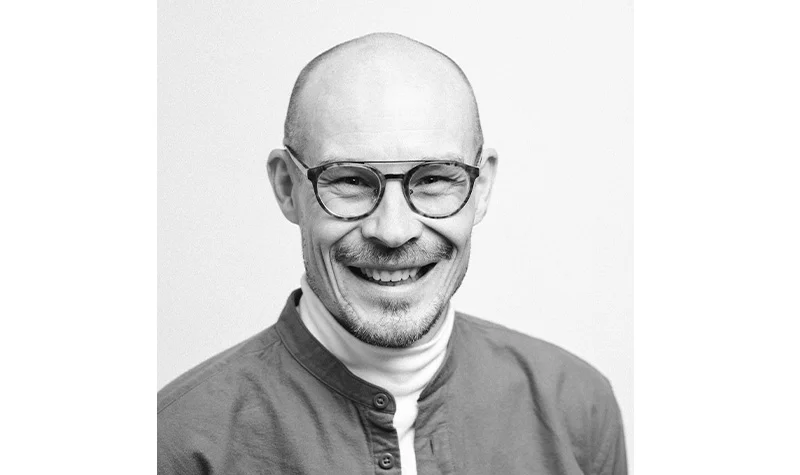
Veli-Pekka Ojamaa,
Senior Strategy Director,
Dentsu Finland
Maximising impact through optimal investments
As the levels of marketing investments stabilise, advertisers increasingly focus on efficient and optimal allocation of investments. The goal is to find the right balance of brand building and tactical actions, different product categories, campaigns and target audiences as well as ATL and BTL activities.
The aim is also to combine brand building and tactical actions into packages that support both short- and long-term objectives.
Simultaneously, the need for advanced impact measurement and analysis grows. There is a desire to identify metrics relevant to business growth. A shift is therefore underway from traditional measures of awareness and consideration towards mental market share models and calibrated modelling of media contributions.

Jonna Musa,
Head of Marketing,
Lidl Finland
Humour and building customer loyalty are emphasised
Long-term brand building has been a key focus this year for those who have been able to invest in it. Many companies have relied on humour in their marketing communications. I’ve noticed the same materials being used for a long time. In a way, this is a good thing: while the material may feel old to marketers, the consumer has probably only seen it a few times. On the other hand, I’m concerned about how this trend will affect creative agencies.
I expect the use of humour to remain strong over the next year. Marketers can bring joy to people in this grey world and create emotional impressions, so let's take that opportunity! Where possible, I would also like to see companies bring a charitable angle to their marketing campaigns. It’s needed now more than ever.
Building trust between business and customer is becoming even more important. Customers expect personalised, two-way communication and attention. Leveraging data in targeting will be emphasised to ensure the right messages reach the right people at the right time.
AI will remain a big topic of conversation in the next year. Although there is a lot of talk about AI, few players are using it in depth. The game changer next year will be finally putting into practice and utilising the AI tools that have been much talked about.

Katri Laitinen,
COO,
IPG Mediabrands Finland / Initiative
Performance becomes measurable
As uncertain times are prolonged, delivering results cost-effectively, and especially proving it, has become an increasingly important topic in marketing.
Justifying the role of marketing budgets and marketing requires clear metrics as well as regular monitoring and response. We need an understandable set of metrics directly linked to strategic objectives.
In media advertising, too, proving effectiveness is key so that media budgets and measures can be justified in a tighter economic climate. Traditional media metrics have not become irrelevant, but reach, frequency and clicks alone are not enough; it is necessary to evaluate how actions are truly noticed and how they influence consumers.
Now, if ever, if you wish to create effective and efficient marketing, you need to know your target audiences and potential consumers, understand your objectives and create metrics to measure and verify the true effectiveness of your actions.
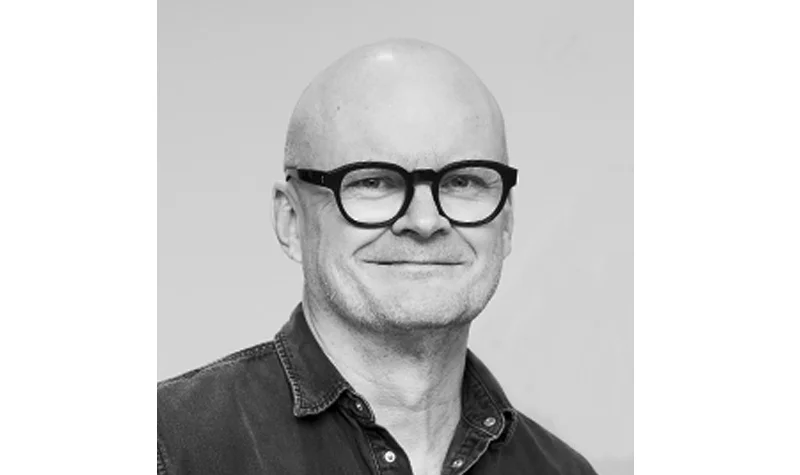
Teppo Juuvinmaa,
Account Director,
Folk Finland
Impactful, entertaining and captivating marketing makes a comeback
The basics are back in the spotlight. Emotions, stories, and humour will once again capture the consumers’ attention, sparking conversations at coffee tables and across social media. Let’s not forget that in a country the size of Finland, there’s no such thing as a wasted contact – everyone is a potential customer.
In 2026, two factors will come together. Brands that have been built consistently over the long term will continue to grow and claim an even larger share in the consumers’ minds. Newcomers will focus on quick wins to reach the starting point of profitable growth. Together, these give marketing a joyful undertone that rewards viewers and listeners time and again. Lukewarm middle-ground players will lose their shares.
In 2026, the winning brands will be those that stay true to their roots and entertain people. The winning brands will be the ones that fill a gap we didn’t even know existed. And always – in the past, present and future – the winning brands will be those that are present both in the consumers’ minds and across distribution channels.

Petra Kakkola,
Head of Marketing,
Mobile Business and Devices, DNA
From guesswork to data-driven decisions
The marketing trends that will dominate in 2026 have been emerging for years, but they remain highly relevant. Advertisers and media planners can no longer afford to overestimate the customer’s interest in their company, brand, or advertising. We must stop creating ads for ourselves. If we set the ambition level of advertising planning above the threshold of ‘nobody cares’, we’re on the right track. We need to make sure we produce genuinely engaging content that seamlessly aligns with the brand. Consistency and long-term thinking will continue to lead the way.
We’re moving from guesswork to data-driven marketing. Data provides deep, scalable customer insights and reveals the true impact of advertising. Alongside metrics inflated by the digital bubble and more holistic measures such as eSOV, SoS, and eMMM, new standardised metrics will emerge to support advertising effectiveness, media buying included.
Innovation and marketing will lift Finland out of the slump. As a society, we must understand that investing in marketing pays off – even during downturns. Let’s finally make marketing a trend in Finland! To achieve this, marketers need to speak the same language as the rest of the organisation. Break down silos. Product development, pricing, and sales are marketing –and marketing is finance.

Annika Suomela,
Category Director,
Berner
Understanding consumer behaviour is more important than ever
Finnish consumer behaviour continues to change. In the promised land of loyalty cards, we are increasingly choosing places of purchase based on price and promotions.
Although price plays a major role, it alone doesn’t sell. The fragmentation of consumer behaviour persists, and extremes are becoming more pronounced. A single consumer can seem like multiple different persons depending on the product category: always willing to invest in a €50 face cream yet insisting on the cheapest possible laundry detergent.
The long-standing fragmentation of media usage highlights the role of the place and situation of purchase as a brand builder. Retail environments reach consumer flows, offer inspiration and impulses, and create perceptions of brands. Strong brands stand out, and for consumers, a brand is often part of building their own image and identity. Understanding the consumer and their behaviour is more important than ever.
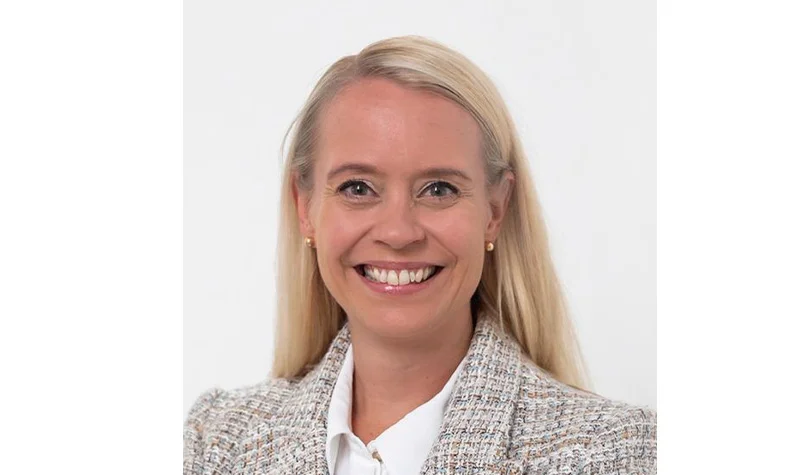
Minna Andersson,
Executive Director,
ToinenPHD
A strong brand withstands competition
In the year 2026, I would like to see advertisers investing in strengthening and growing their brands. In 2027, Finland’s media market will change as gaming advertisers enter the scene. It may become harder for a brand’s voice to be heard, which is why I would prioritise brand building no later than 2026. A strong brand withstands competition and yields better results from tactical efforts. Growing a brand requires patience, as results may only become visible in the long term.
Marketing is still not widely seen as an investment. Dear advertisers: be bold when doing brand advertising, experiment with new approaches that leave consumers a permanent memory. Brand marketing is an investment that pays back many times over. It lays the foundation for long-term growth, competitive advantage, and customer loyalty.
Alongside brand building, another hot topic is, of course, AI and how it will transform marketing practices. In the future, marketers will increasingly focus on interpreting AI-generated insights, making ethical decisions, and leading advanced, AI-driven strategic initiatives. The marketers who prepare effectively for this shift will succeed and guide their organisations toward continuous innovation and strategic competitive advantage.

Teemu Neiglick,
Planner, Co- Founder,
Viisi Agency
Genuinely understanding people is essential
Leveraging AI will streamline operations across the entire value chain. However, the explosive growth of marketing messages, fragmented media consumption, and fierce competition for attention will become unsustainable.
We need to remember, once again, that people are not just cheap contacts or demographic groups. Every individual is unique, and only by truly getting to know them can we understand what resonates with them. That’s why next year’s biggest trend will be genuine understanding of people.
Marketing will turn to psychology for help in influencing people. Psychology makes marketing more relevant and bold – attitude-shaping and behaviour-changing. Leading companies and agencies have already hired behavioural scientists, and the rest of us will soon follow.
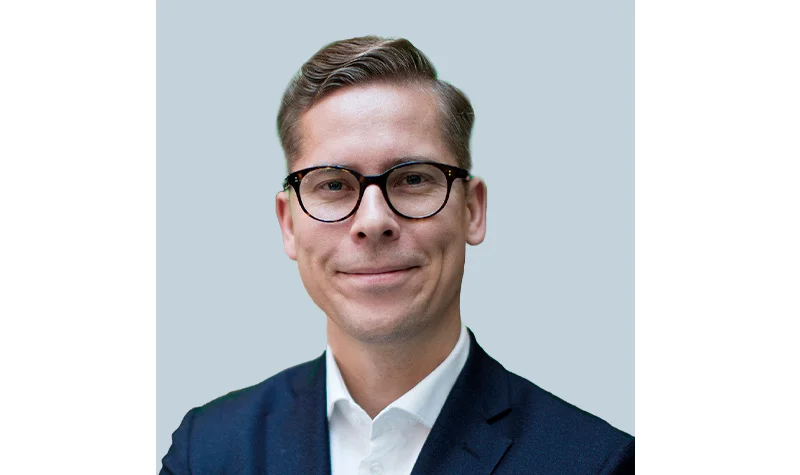
Markus Nieminen,
Head of Group Marketing,
OP Pohjola
Transformation forces companies to restructure their marketing operations
The ongoing transformation both forces and enables marketing to be done in an entirely new way. Old principles still hold true, but each of them needs to be rethought now, or there is a risk being overshadowed by global players.
Marketing leadership must be carried out simultaneously at both strategic and operational levels. This means managing the future and the present at the same time. It requires accepting the discrepancy between overlapping goals while still delivering value in both time frames. Sales must be efficient today, but at the same time, added value must be built for the long term.
For marketing, this means building and protecting competitive advantages and developing competitiveness through the opportunities the transformation creates.
At the level of marketing communications, the most significant trends show up as a reorganisation of the roles of channels and media. Social media and digital channels are drowning in suboptimal clutter, and impact comes with a higher price tag. At the same time, the prices of traditional media will rise significantly in the coming years, as the opening of the gaming market further changes the landscape. From an investment perspective, this is a challenging equation, and only distinctive content will be truly effective.
Winning companies create their own approach amidst the transformation and, through that, capture the customers’ attention with actions that stand out, whether physical, digital or psychological.

Tiina Kosonen,
Marketing Strategist,
Sanoma Media Finland
Size matters
Thinking big – both in creative and in media – will become increasingly important. Under economic pressure, we’ve streamlined marketing communications too much. Activities have fragmented into tiny pieces, whether you look at it from the perspective of target groups, channels or even creative.
Marketing communications are fragmenting faster than consumers’ media usage. As a result, we’re influencing audiences that are too small to create meaningful change. We need to think bigger and focus on impact.
Thinking big doesn’t have to mean changing the world. From a creative perspective, it’s about evoking emotions – any emotions –, creating recognisability and even sharing opinions rather than clinging to pure rationality. You won’t start a conversation without emotions. In media, alongside reach, the quality of attention will grow in importance, as where you appear matters. Find the channels that best influence your customer potential and build your creative primarily for those channels.
A large, well-executed campaign delivers more impactful results than a bunch of small, average ones. This way, you reach a sufficiently large share of your potential audience and truly influence them. The same thinking can be scaled to apply to smaller brands, but do remember to think bigger than your size.