Understanding generations is one of the most important competitive advantages in marketing
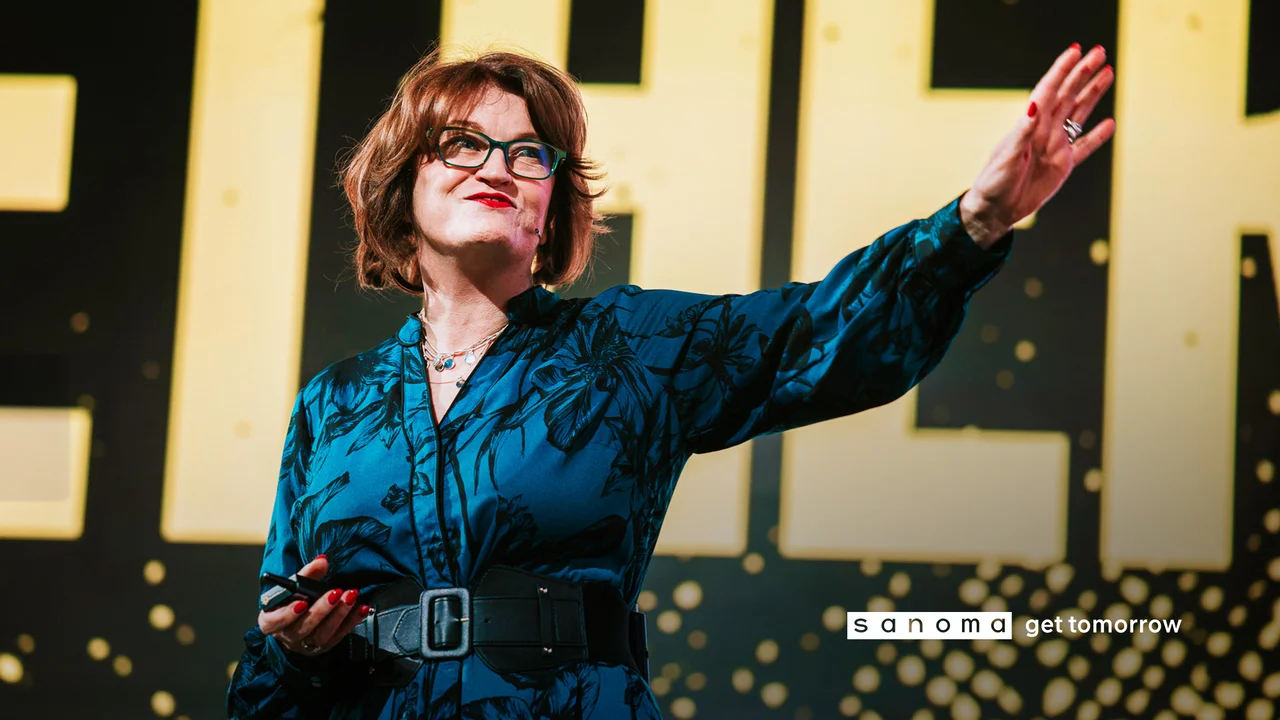
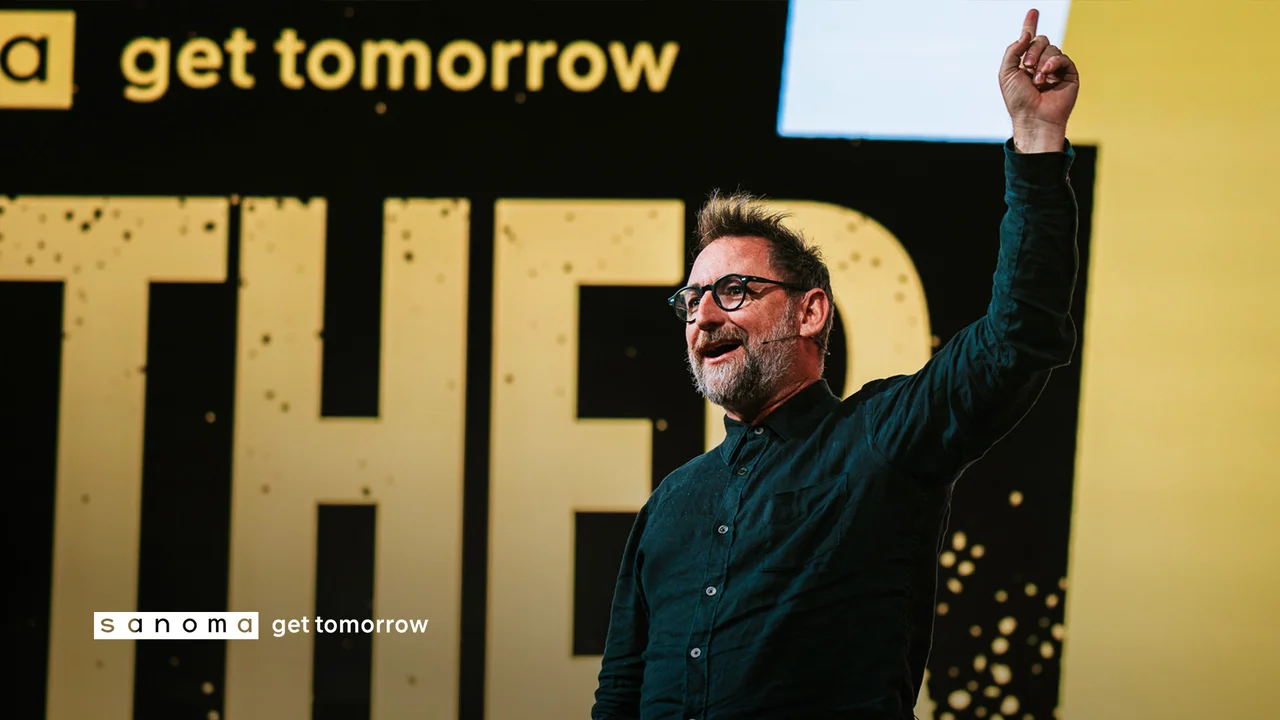
Talking about generations is easy, yet dangerous. This is how Henry Rose Lee, an expert on generational diversity and inclusion, summarised her presentation at Sanoma’s Get Tomorrow event. Her message to marketers was: people are not just demographics or stereotypes but complex changing individuals. Yet understanding generations is one of the most important competitive advantages in marketing.
Lee acknowledged this contradiction at the beginning of her presentation. She talks about generations for a living, even though she knows that classifying them inevitably simplifies reality. Marketing is constantly using segmentation, personalisation segmentation and averages, but the real world is always richer than this.
World events shape generations
Generational theory is based on the idea that major world events, wars, economic crises, pandemics and technological disruptions affect different age groups in different ways. The Vietnam War, globalisation, the climate movement, the Covid-19 pandemic, and the war in Ukraine have all shaped values, the sense of security and consumer behaviour.
In Finland, these experiences are further reinforced by our own peculiarities: a strong relationship with nature, high digital maturity, an ageing population, a declining birth rate and prolonged economic uncertainty. All this is reflected in what Finns expect from brands and services – regardless of age.
Four generations, four different stories
In her presentation, Lee examined four generations that currently play a significant role both in working life and as consumers in Finland.
Baby boomers are an ageing yet a more active and healthier generation than previous generations. They still have considerable purchasing power.
Lee challenged the persistent assumption that age would weaken people’s ability to renew themselves. According to research, emotional intelligence, deep thinking and problem-solving abilities strengthen with age and can make older generations excellent innovators as they see the importance of change in their own daily lives.
In many ways, members of Generation X are experiencing the most stressful period of their lives, and they are the most stressed of the four generations. Their career is at its peak, they have responsibilities both at work and at home, and many also care for their ageing parents. In marketing, they value speed, ease, reliability and transparency above all else.
Millennials have postponed many traditional life phases: housing, family, home ownership and career paths form later and more individually. Purchasing power is increasing, but financial worries are always present. In return, they seek value for money, experiences, freedom and choices that align with their values, especially from a responsibility perspective.
Generation Z has grown up with smartphones, apps and a constant stream of information. They need brands to give them clarity, honesty and facts, but also opportunities for community and self-expression. An uncertain world has made this generation aware and even burdened. The risk of unemployment is highest for this generation. This generation is more characterised by multiculturalism than the older generations. One in ten Generation Z members is from an immigrant background, and this figure is as many as one in seven in the Helsinki Metropolitan Area.
Marketing emphasises trust-building communication
Lee recalled that in addition to their generation, a person’s life stage has a decisive impact on what they need, want and consume. Adolescence, the busy years of caring for children, career peaks and moving into retirement often change needs more than age.
The stages of life are not only life situations but also psychological changes. When they are younger, people seek more direction and opportunities; in middle age, they seek efficiency and support; and later, they emphasise quality of life, meaning and ease. These changes directly affect what kind of marketing feels relevant – or annoying.
Lee emphasised that financial uncertainty often affects consumer behaviour emotionally more than through actual purchasing power. Marketing therefore now focuses on emphasising safety, clarity and trust-building communication, regardless of generation.
In the presentation, she emphasised the social importance of marketing. Marketing is not just about selling products and services but a way to interpret the world, provide people with information and help them make choices.
”Every generation has value, potential and a story to tell. Marketing is the voice of people and the world. It can be the sound that cuts through all the other noise and provides us with information and insights,” Henry Rose Lee says.
Photo by Petri Mast
Read also these Get Tomorrow Together articles:
Malcolm Devoy: Clicks are forgotten, feelings remain – growth comes from memory traces
James Hurman: Are you marketing to future customers or only to those who are already buying?